
Morocco Traditional Wear embodies a rich tapestry of history, culture, and artisanal craftsmanship. This vibrant clothing tradition reflects centuries of Berber, Arab, and Andalusian influences, creating unique styles. Understanding Morocco Traditional Wear offers a deeper appreciation for the nation’s identity. From the bustling souks to grand celebrations, Morocco Traditional Wear remains an integral part of daily life and special occasions across the country.
Ultimate Guide to Morocco Traditional Wear in 2025
Morocco’s cultural heritage is vividly expressed through its traditional garments. These clothes are not merely fabric; they are stories woven into threads. Each piece of Morocco Traditional Wear carries historical significance and regional identity. Travelers exploring Morocco often marvel at the beauty and diversity of these timeless outfits.
This guide will explore the various aspects of Morocco’s traditional attire. We will delve into its history, key garments, and its enduring place in modern society. Prepare to discover the elegance and cultural depth of Morocco Traditional Wear.
The Enduring Legacy of Morocco Traditional Wear
The history of Moroccan clothing is as intricate as its patterns. Ancient civilizations, trade routes, and various ethnic groups shaped these styles. This rich past contributes to the unique character of Morocco Traditional Wear today. It represents a living connection to the country’s diverse heritage.
Each region in Morocco boasts its own distinct fashion sensibilities. The mountainous Rif, the desert Sahara, and the coastal cities all have unique sartorial expressions. These regional differences highlight the incredible diversity within Morocco Traditional Wear. They reflect local climates, available materials, and cultural practices.
A Tapestry of History and Culture
Morocco’s strategic location at the crossroads of Africa and Europe influenced its attire. Berber designs, Arab aesthetics, and Jewish craftsmanship all played a part. Over centuries, these influences merged to create a distinct Moroccan style. This fusion is visible in every stitch and embellishment.
Traditional garments served practical purposes, like protection from the elements. However, they also conveyed social status, marital status, and tribal affiliation. The elaborate designs often tell stories of family history and community pride. This makes each item of Morocco Traditional Wear a cultural artifact.
Regional Variations in Dress
In the Atlas Mountains, Berber communities favor practicality and warmth. Their clothing features thick woolens and sturdy designs. Coastal cities like Casablanca and Rabat exhibit more refined, urban styles. Southern regions, closer to the Sahara, often incorporate vibrant colors and flowing fabrics. This showcases the incredible range of Morocco Traditional Wear across the country.
Even within a single garment type, variations exist. A djellaba from Fes might differ significantly from one found in Marrakech. These subtle distinctions are cherished by locals. They add layers of meaning to the already rich tradition of Moroccan culture.
Iconic Garments: Exploring Morocco Traditional Wear
Several garments stand out as quintessential examples of Moroccan attire. The djellaba and kaftan are perhaps the most recognizable. These pieces are worn by men and women, though with distinct styles. They are central to the identity of Morocco Traditional Wear.
Other garments like the selham and gandoura also hold significant cultural value. Each piece offers insights into Moroccan life and traditions. Understanding these key items enhances appreciation for the nation’s sartorial heritage. They represent the core of Morocco Traditional Wear.
The Majestic Djellaba
The djellaba is a loose, long-sleeved hooded robe worn by both men and women. It is a fundamental element of Morocco Traditional Wear. Men’s djellabas are often simpler, made from wool or cotton, and come in earthy tones. Women’s djellabas are typically more colorful and adorned with intricate embroidery.
The hood, known as the qob, serves practical purposes. It protects from the sun and sand. Djellabas are worn daily, for work, and for special occasions. They embody comfort, modesty, and timeless style. The djellaba is truly an icon of Moroccan fashion.
The Elegant Kaftan
The kaftan is a stunning, often elaborate, dress worn primarily by women. Unlike the djellaba, it usually does not have a hood. Kaftans are renowned for their luxurious fabrics, rich colors, and exquisite embroidery. They are often worn for celebrations, weddings, and formal events. This makes them a highlight of Morocco Traditional Wear.
Modern kaftans can be incredibly diverse, incorporating contemporary designs. Yet, they retain their traditional elegance and charm. A woman’s kaftan is a symbol of grace and sophistication. It reflects the artistry and skill of Moroccan seamstresses.
Selham and Gandoura: Other Notable Styles
The selham is a traditional cape, often worn over a djellaba or kaftan. It is typically made from fine wool or silk and can be very ornate. Historically, the selham was a symbol of status and worn by dignitaries. It adds an extra layer of elegance to any traditional ensemble. This makes it a distinguished piece of Morocco Traditional Wear.
The gandoura is a simpler, collarless tunic, usually without a hood. It is lighter and often worn in warmer weather or around the home. While less formal than a djellaba, it remains a common item of clothing. Both selham and gandoura contribute to the diverse range of Morocco’s traditional attire. They showcase the variety within Morocco Traditional Wear.
Accessories and Embellishments for Morocco Traditional Wear
No traditional Moroccan outfit is complete without its accompanying accessories. These elements enhance the beauty and meaning of the garments. From headwear to footwear, each accessory plays a vital role. They complete the look of Morocco Traditional Wear. These details often carry deep cultural significance.
Jewelry, belts, and specialized adornments add layers of richness. They reflect regional styles and personal taste. Understanding these accessories provides a fuller picture of Moroccan fashion. They are essential to the full expression of Morocco Traditional Wear.
Headwear: Fez, Turbans, and Scarves
Head coverings are an important part of traditional Moroccan dress. The Fez, or tarboosh, is a red felt hat, once widely worn by men. Though less common today, it remains a symbol of national identity. In rural areas, men often wear turbans for protection and tradition.
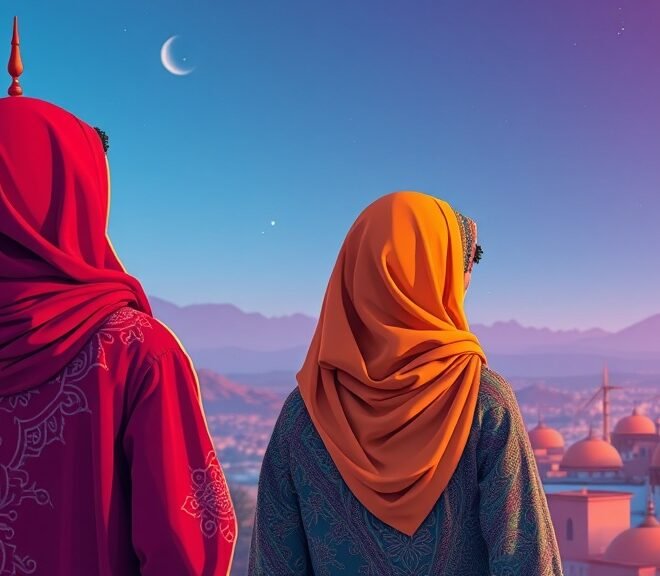
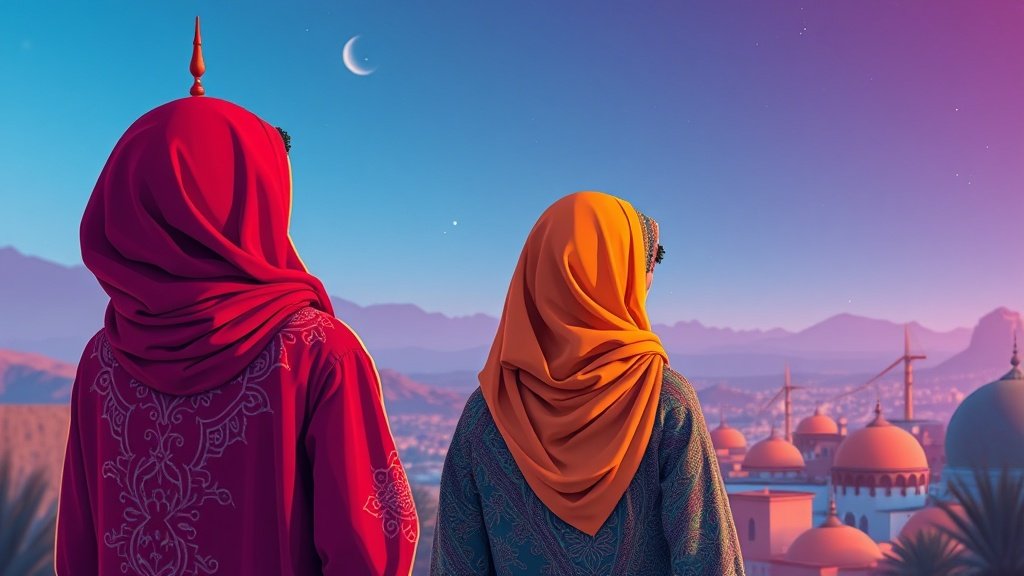
Women frequently wear elegant headscarves, or hijabs, often beautifully embroidered. These scarves are chosen to complement their outfits. They add a touch of modesty and grace. Headwear is an integral component of Morocco Traditional Wear, reflecting both practicality and cultural norms.
Footwear: Babouches and Sandals
Traditional Moroccan footwear is both comfortable and stylish. Babouches are soft leather slippers, often pointed at the toe. They come in a wide array of colors and are sometimes intricately embroidered. Men’s babouches are typically plain, while women’s are more decorative.
During warmer months, leather sandals are also popular. These are handcrafted and durable, perfect for navigating various terrains. Both babouches and sandals are essential elements of Morocco Traditional Wear. They offer comfort while maintaining a traditional aesthetic. Many artisans specialize in crafting these unique shoes, showcasing incredible skill.
Jewelry and Adornments
Moroccan jewelry is renowned for its intricate designs and use of silver, gold, and semi-precious stones. Berber silver jewelry is particularly distinctive, featuring geometric patterns and symbolic motifs. Women wear elaborate necklaces, earrings, and bracelets. These pieces are often passed down through generations. They add a touch of splendor to any Morocco Traditional Wear ensemble.
Decorative belts, known as mdamma, are also significant. These are often made of silk or velvet, adorned with metallic threads and gemstones. They cinch the waist of kaftans, enhancing the garment’s silhouette. Such adornments are crucial to the overall presentation of Morocco Traditional Wear. They reflect a deep appreciation for beauty and craftsmanship, often seen in Moroccan lifestyle.
Morocco Traditional Wear in Modern Society
While rooted in history, Morocco Traditional Wear continues to evolve. It seamlessly blends tradition with contemporary trends. This adaptability ensures its relevance in a fast-changing world. It remains a powerful symbol of Moroccan identity and pride.
Younger generations embrace traditional garments, often with a modern twist. Designers reinterpret classic styles for a global audience. This dynamic interplay keeps Morocco Traditional Wear vibrant and exciting. It demonstrates the enduring appeal of these timeless pieces.
Everyday Life and Special Occasions
In many Moroccan cities and towns, traditional clothing is still part of daily life. Men and women wear djellabas for work, shopping, and social visits. They appreciate the comfort and modesty these garments offer. This daily use keeps the tradition alive and visible.
For special events like weddings, religious holidays, and festivals, traditional wear takes center stage. Women don their most opulent kaftans and takchitas (a layered kaftan). Men wear fine djellabas or jabadors. These occasions highlight the grandeur and beauty of Morocco Traditional Wear. They are moments of cultural celebration and sartorial splendor.
Contemporary Adaptations and Designers
Moroccan designers are at the forefront of modernizing traditional wear. They incorporate new fabrics, cuts, and embellishments. This creates fresh interpretations of classic garments. These contemporary pieces appeal to both local and international markets. They showcase the versatility of Morocco Traditional Wear.
Fashion shows in cities like Marrakech and Casablanca regularly feature avant-garde takes on kaftans and djellabas. These adaptations ensure that traditional styles remain fashionable. They bridge the gap between heritage and modernity. This innovation keeps Morocco Traditional Wear relevant for future generations.
Preserving Cultural Heritage
Efforts to preserve the authentic craftsmanship of traditional wear are vital. Artisans pass down techniques from generation to generation. Government initiatives and cultural organizations support these traditional crafts. This ensures the continuity of valuable skills. Preserving Morocco Traditional Wear means preserving a piece of the nation’s soul. It is a commitment to cultural identity.
The appreciation for handmade garments extends beyond Morocco’s borders. Tourists and collectors seek out authentic pieces. This global interest helps sustain traditional artisans. It reinforces the importance of Moroccan culture and its unique expressions.
How to Experience Morocco Traditional Wear as a Visitor
Visitors to Morocco often fall in love with the elegance of its traditional clothing. Many wish to purchase their own pieces as souvenirs. Experiencing Morocco Traditional Wear firsthand is a memorable part of any trip. It offers a tangible connection to the local culture.
Knowing where to buy authentic garments and how to wear them respectfully is important. This enhances your cultural immersion and supports local artisans. Embrace the opportunity to learn about these beautiful traditions. It is a unique aspect of Moroccan travel.
Where to Buy Authentic Garments
The best places to find authentic Morocco Traditional Wear are the local souks (markets). Cities like Fes, Marrakech, and Meknes are famous for their textile souks. Here, you can find everything from ready-to-wear djellabas to custom-made kaftans. Bargaining is often expected, so be prepared to negotiate prices. Many tourists find joy in this cultural exchange.
For higher-end, designer pieces, visit boutiques in modern city centers. These stores offer curated collections and fixed prices. Look for shops that emphasize handmade quality and ethical sourcing. Supporting local artisans ensures the continuation of these valuable crafts. This helps preserve the integrity of Morocco Traditional Wear.
Respectful Wearing and Etiquette
Tourists are welcome to wear traditional Moroccan clothing. It is often seen as a sign of respect for the local culture. When choosing your garments, consider local customs regarding modesty. Opt for styles that cover shoulders and knees, especially when visiting religious sites. This shows consideration for local norms.
While you can wear a djellaba or kaftan, avoid overly flamboyant styles that might seem like a costume. The key is to wear them with genuine appreciation. This enhances your experience and fosters positive interactions. Wearing Morocco Traditional Wear thoughtfully enriches your journey.
Souvenirs and Gifts
Traditional Moroccan garments make excellent souvenirs and gifts. A beautifully embroidered kaftan or a pair of leather babouches can be cherished for years. Consider smaller items like scarves or embroidered belts for easy transport. These items offer a piece of Morocco to take home.
When buying, ask about the materials and craftsmanship. This ensures you are purchasing a quality item. Such purchases support local economies and artisan families. They allow you to share the beauty of Morocco Traditional Wear with others. Each item tells a story of Moroccan artistry.
The Craftsmanship Behind Morocco Traditional Wear
The creation of Morocco Traditional Wear is an art form in itself. It involves intricate techniques passed down through generations. Artisans dedicate years to mastering their craft. Their skill transforms simple fabrics into masterpieces. This dedication is evident in every detail.
The choice of fabrics, colors, and patterns holds deep symbolism. These elements contribute to the unique identity of Moroccan fashion. Understanding the craftsmanship provides a deeper appreciation for each garment. It highlights the cultural richness embedded in Morocco Traditional Wear.
Artisanal Techniques
Moroccan embroidery, known as tarz, is world-renowned. It features elaborate geometric and floral motifs. Different regions have distinct embroidery styles, such as Fassi or Rbati. Hand-stitching, beadwork, and sequin embellishments are also common. These techniques require immense patience and precision.
Tailoring traditional garments is a specialized skill. Seamstresses and tailors meticulously cut and sew fabrics. They ensure a perfect drape and fit. The creation of Morocco Traditional Wear is a testament to human artistry. It is a slow, thoughtful process that values quality over speed. Many of these traditional crafts can be observed in the souks of Marrakech.
Fabrics and Materials
A wide range of fabrics is used in Morocco Traditional Wear. Cotton and linen are popular for everyday wear due to their breathability. Wool is favored for warmth in colder regions, especially for djellabas. For luxurious garments, silk, velvet, and brocade are chosen. These fabrics add richness and elegance to the attire.
Natural dyes, often derived from plants and minerals, produce vibrant colors. These traditional dyes contribute to the authenticity of the garments. The quality of materials is paramount. It ensures durability and comfort. This careful selection is integral to the beauty of Morocco Traditional Wear.
The Symbolism of Colors and Patterns
Colors in Moroccan attire often carry symbolic meanings. White signifies purity, while green is associated with Islam and prosperity. Blue can represent the sky and sea, and red often symbolizes passion or protection. These color choices are not arbitrary. They reflect cultural beliefs and values.
Patterns and motifs also have deep roots in history and folklore. Geometric designs often reflect Islamic art principles. Floral patterns symbolize nature and beauty. Each stitch and pattern tells a story. They imbue Morocco Traditional Wear with layers of cultural significance. This symbolism makes each garment truly unique.
The Future of Morocco Traditional Wear
Morocco Traditional Wear is not static; it is a living, breathing art form. Its future looks bright, marked by continued innovation and global appreciation. Designers and artisans are finding new ways to keep traditions alive. They ensure these garments remain relevant and cherished. The essence of Morocco Traditional Wear will undoubtedly endure.
As Morocco gains more international recognition, so too does its fashion. The world is increasingly captivated by its unique blend of heritage and modernity. This global spotlight helps to secure the future of these beautiful traditions. It ensures that Morocco Traditional Wear continues to inspire.
Innovation Meets Tradition
Contemporary Moroccan fashion designers are skillfully blending old and new. They introduce modern cuts, experimental fabrics, and diverse cultural influences. This fusion results in fresh, exciting interpretations of traditional garments. These innovative pieces appeal to a broader, younger audience. They ensure that Morocco Traditional Wear remains at the forefront of fashion discussions.
The digital age also plays a role. Online platforms and social media allow Moroccan designers to reach global markets. This increased visibility helps to popularize traditional styles. It fosters a new generation of appreciation for these unique creations. The future of Morocco Traditional Wear is being shaped by this creative dialogue.
Global Recognition
Moroccan fashion is gaining significant international acclaim. Kaftans and djellabas are appearing on runways and in high-fashion magazines. Celebrities and influencers are embracing these elegant styles. This global recognition elevates the status of Morocco Traditional Wear. It highlights its timeless appeal and versatility.
Cultural exchange programs and international exhibitions further promote Moroccan textiles. These initiatives educate the world about the rich history and craftsmanship involved. They solidify Morocco’s position as a hub for traditional and contemporary fashion. The world is discovering the unparalleled beauty of Morocco Traditional Wear.
FAQ About Morocco Traditional Wear
Here are some frequently asked questions about traditional Moroccan clothing:
Q1: What is the most common Morocco Traditional Wear?
A1: The djellaba is arguably the most common and versatile piece of Morocco Traditional Wear, worn daily by both men and women across the country.
Q2: Can tourists wear Morocco Traditional Wear?
A2: Yes, tourists can respectfully wear traditional Moroccan clothing. It is often appreciated by locals. Opt for modest styles and enjoy the experience.
Q3: What occasions are best for Morocco Traditional Wear?
A3: Traditional wear is suitable for both everyday life and special occasions. Kaftans and elaborate djellabas are popular for weddings, holidays, and formal gatherings.
Q4: How do I care for traditional Moroccan garments?
A4: Care instructions vary by fabric. Silk and heavily embroidered items often require dry cleaning or gentle hand washing. Cotton and wool garments can usually be hand-washed with mild detergent.
Q5: Where did Morocco Traditional Wear originate?
A5: Morocco Traditional Wear has origins in a blend of Berber, Arab, and Andalusian influences. Its styles have evolved over centuries, reflecting the country’s diverse cultural history.
Related Morocco Resources
You may also find these Morocco travel and culture websites helpful: