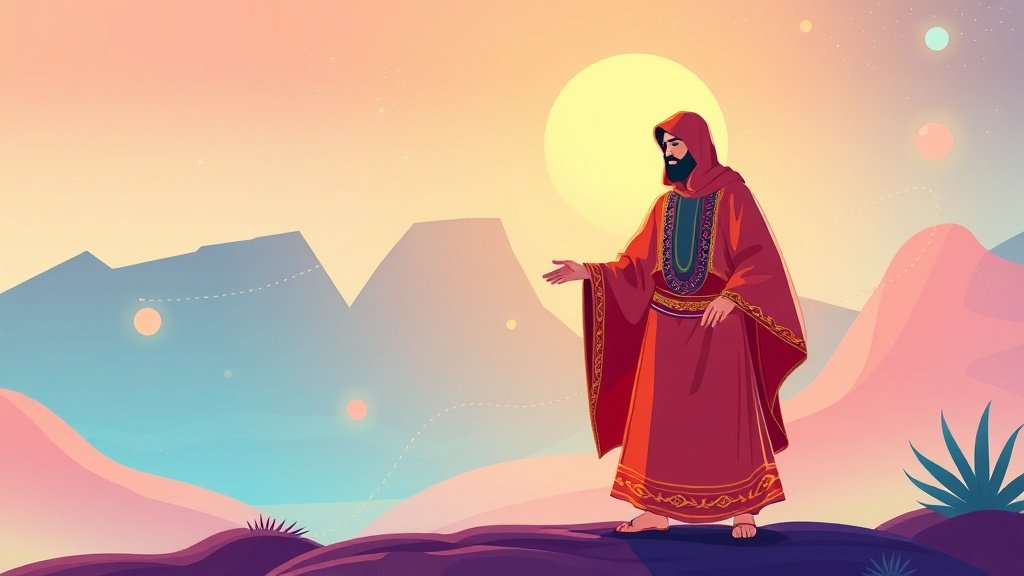
Moroccan Kaftan represents more than just an article of clothing; it embodies centuries of rich history, cultural pride, and exquisite craftsmanship. This flowing garment is a beloved staple in Morocco, cherished for its elegance and versatility. Exploring the world of the Moroccan Kaftan reveals a fascinating journey through tradition and modern fashion trends. The Moroccan Kaftan is truly a timeless piece.
The Enduring Legacy of the Moroccan Kaftan
The history of the Moroccan Kaftan stretches back many centuries. Its origins are often traced to ancient Persia, spreading through the Ottoman Empire. However, Morocco developed its own unique styles and interpretations over time. This evolution transformed the kaftan into a distinctly Moroccan garment.
Historically, the kaftan was worn by royalty and nobility. It symbolized status, wealth, and power. Over generations, its use broadened to include various social classes. Today, the Moroccan Kaftan remains a vital part of Moroccan identity. It is celebrated in homes and on international runways alike.
A Journey Through Time: Historical Roots
Early kaftans were simple, loose-fitting robes. They offered comfort in warm climates. As trade routes flourished, new fabrics and embellishments arrived. Moroccan artisans began incorporating intricate embroidery and luxurious materials. This elevated the garment to an art form.
The Andalusian influence, post-Reconquista, also played a significant role. Many skilled artisans brought their techniques to Morocco. This fusion of styles enriched the Moroccan Kaftan’s design. It added layers of complexity and beauty to its creation. Learn more about Moroccan heritage on our culture pages.
What Makes a Moroccan Kaftan Unique?
Several distinctive features set the Moroccan Kaftan apart. Its loose, flowing silhouette ensures both comfort and modesty. The fabric choice is paramount, ranging from rich silks to soft cottons. Each material contributes to the garment’s overall drape and feel.
However, the true hallmark lies in its intricate detailing. Hand-embroidered patterns, often using gold or silver threads, adorn the neckline, sleeves, and hems. These designs are not merely decorative; they often carry symbolic meanings. This makes each Moroccan Kaftan a unique piece of art.
Signature Elements of Design
One of the most recognizable features is the sfifa, a braided trim that runs along the seams. This is often paired with aakad, handmade silk buttons. These elements require immense skill and patience to produce. They are a testament to Moroccan craftsmanship.
The choice of color also holds significance. Vibrant hues are common for celebrations, while more subdued tones suit daily wear. Modern designers often experiment with new color palettes. They blend tradition with contemporary aesthetics. This keeps the Moroccan Kaftan fresh and appealing.
The Evolution of the Moroccan Kaftan in Modern Times
While deeply rooted in tradition, the Moroccan Kaftan has continuously evolved. Designers both within Morocco and internationally reinterpret its classic form. They introduce new cuts, fabrics, and embellishments. This ensures its relevance in the ever-changing fashion world.
Today, you can find kaftans for every occasion. There are traditional designs for weddings and religious festivals. There are also chic, modern versions perfect for casual outings or high-fashion events. This adaptability is a key to its enduring popularity. The Moroccan Kaftan remains a versatile choice.
From Tradition to Trendsetter
Contemporary designers often play with silhouettes. They might introduce asymmetrical cuts or more fitted styles. They also experiment with Western fabrics like denim or chiffon. These innovations appeal to a younger, fashion-forward audience. They broaden the kaftan’s appeal beyond traditional wear.
Moreover, the kaftan has found a place on international runways. Celebrities and fashion icons embrace its elegance and comfort. This global exposure further solidifies its status. It is now recognized as a sophisticated and stylish garment worldwide. Explore more about Moroccan lifestyle and fashion on our lifestyle section.
Wearing the Moroccan Kaftan: Occasions and Etiquette
The Moroccan Kaftan is incredibly versatile. It is worn for a wide array of events. For grand celebrations like weddings and Eid, women often choose elaborately decorated kaftans. These might feature extensive embroidery, beadwork, and luxurious fabrics. They are designed to make a statement.
For more informal gatherings or daily wear, simpler kaftans are preferred. These are typically made from lighter fabrics like cotton or linen. They offer comfort without sacrificing elegance. Knowing when to wear which style is part of Moroccan cultural etiquette.
A Guide to Kaftan Etiquette
When attending a formal event, pairing your kaftan with appropriate accessories is key. Traditional Moroccan jewelry, such as intricate silver pieces, complements the garment beautifully. Elegant shoes and a styled headscarf (if worn) complete the look. These details enhance the overall presentation.
For casual wear, comfort is paramount. A simple kaftan can be worn with sandals or flats. It is perfect for relaxing at home or visiting friends. The ease and grace of the kaftan make it a beloved choice for many Moroccan women. Consider this when you travel to Morocco.
How to Choose Your Perfect Moroccan Kaftan
Selecting the ideal Moroccan Kaftan involves several considerations. First, think about the occasion. A wedding requires a more ornate kaftan than a casual dinner. This will guide your fabric and embellishment choices. Secondly, consider your personal style preferences.
Fabric choice is crucial for comfort and appearance. Silk offers a luxurious drape, while cotton is breathable and practical. Embroidery and beadwork add visual interest. Decide if you prefer subtle designs or bold, statement pieces. The right kaftan should make you feel beautiful and confident.
Tips for Selecting Your Kaftan
- Consider the Fabric: Silk, satin, crepe, cotton, or linen each offer a different feel and look.
- Embellishment Level: Choose between minimalist designs or heavily embroidered pieces.
- Color Palette: Reflect on your skin tone and the event’s mood. Vibrant colors are popular for celebrations.
- Fit and Silhouette: While traditionally loose, modern kaftans come in various cuts.
- Budget: Prices vary greatly depending on fabric, craftsmanship, and designer.
When shopping, take your time to explore options. Many boutiques offer custom-made kaftans. This ensures a perfect fit and personalized design. A well-chosen Moroccan Kaftan becomes a cherished addition to any wardrobe.
Caring for Your Moroccan Kaftan: Longevity and Preservation
Proper care is essential to maintain the beauty and longevity of your Moroccan Kaftan. Due to their delicate fabrics and intricate handwork, many kaftans require special attention. Always check the care label first. This will provide specific instructions for your garment.
For kaftans with heavy embroidery, beadwork, or silk fabrics, dry cleaning is often recommended. This prevents damage to delicate embellishments. For simpler cotton or linen kaftans, gentle hand washing might be suitable. Always use mild detergents and cool water.
Maintaining the Beauty of Your Kaftan
When hand washing, turn the kaftan inside out. This protects the embroidery. Avoid harsh scrubbing or twisting. Gently press out excess water, then lay flat to dry on a clean towel. Direct sunlight can fade colors, so air dry in the shade.
Storage is also important. Hang your kaftan on a padded hanger to prevent stretching or creasing. Keep it in a breathable garment bag. This protects it from dust and humidity. Proper care ensures your Moroccan Kaftan remains a beautiful garment for years to come. It’s an investment in Moroccan artistry, much like a fine Moroccan rug.
FAQ: Your Questions About the Moroccan Kaftan Answered
What is a Moroccan Kaftan?
A Moroccan Kaftan is a traditional, loose-fitting garment worn by women in Morocco. It is known for its elegant design, rich fabrics, and intricate embroidery. It serves as both everyday wear and formal attire.
What occasions are suitable for wearing a Moroccan Kaftan?
The Moroccan Kaftan is incredibly versatile. It is worn for grand celebrations like weddings, religious holidays (Eid), family gatherings, and formal events. Simpler versions are perfect for casual wear or relaxing at home.
What materials are commonly used for Moroccan Kaftans?
Common materials include luxurious silks, satins, and crepes for formal kaftans. For everyday wear, breathable cotton, linen, and lighter synthetic blends are popular. The fabric choice significantly impacts the garment’s drape and feel.
How do I care for my Moroccan Kaftan?
Care instructions depend on the fabric and embellishments. Most ornate kaftans require dry cleaning to protect delicate embroidery and beadwork. Simpler cotton kaftans can often be gently hand washed. Always check the care label.
Can men wear a Moroccan Kaftan?
While the term “Moroccan Kaftan” typically refers to the women’s garment, men in Morocco traditionally wear a similar, simpler robe called a djellaba. The djellaba is also a loose-fitting garment with a hood, worn for daily life and prayer.
Related Morocco Resources
You may also find these Morocco travel and culture websites helpful:
Related Articles
- Moroccan Peaches Strain: Ultimate Guide to Moroccan Peaches Strain
- The Rich Tradition and Benefits of Moroccan Olive Oil